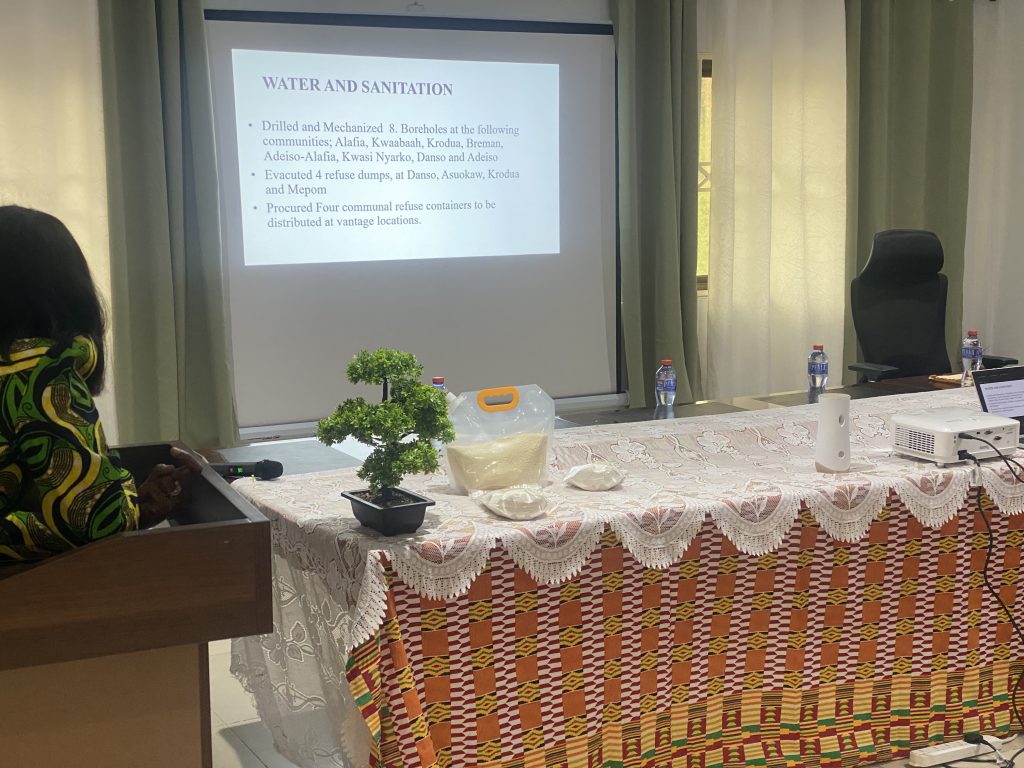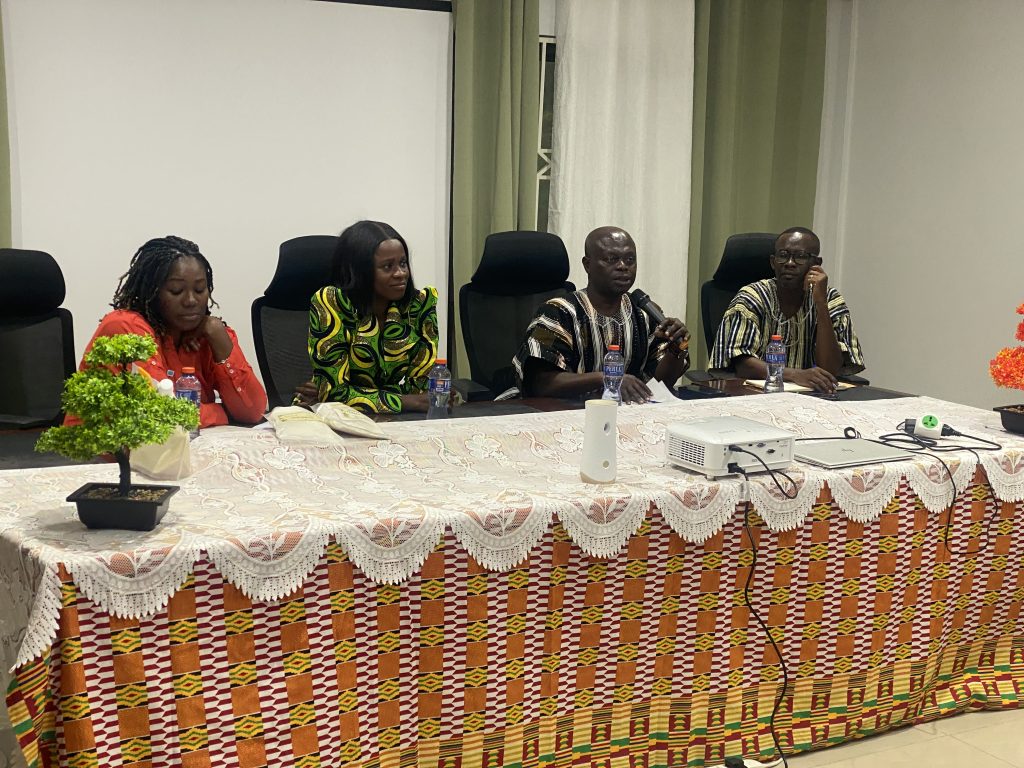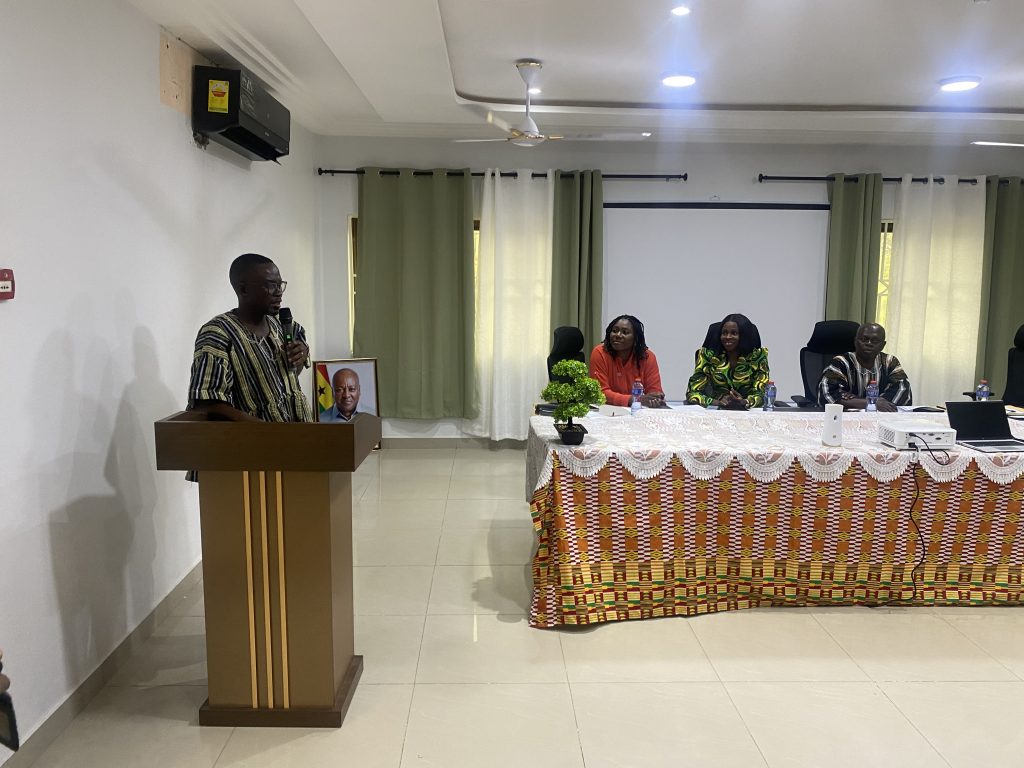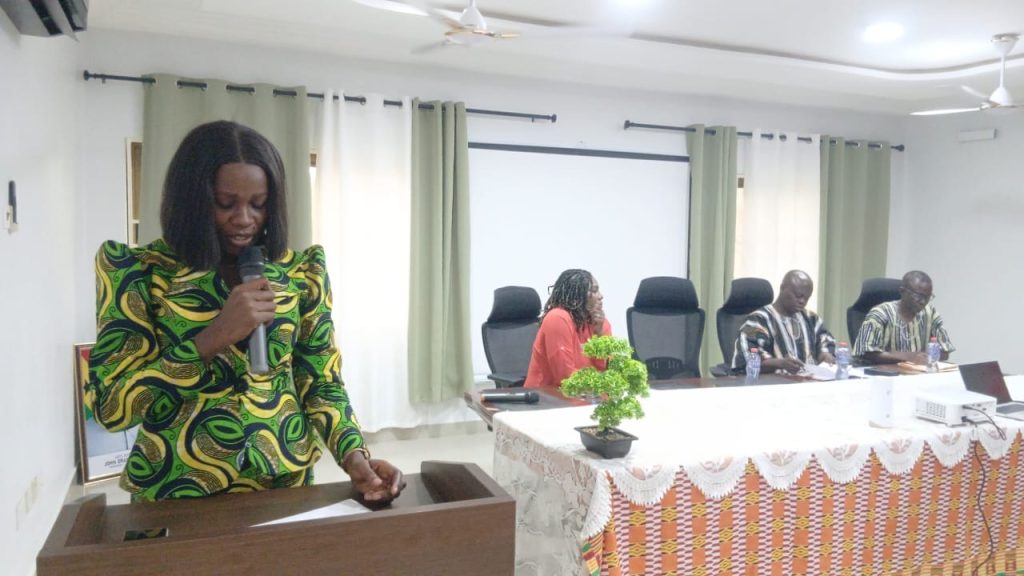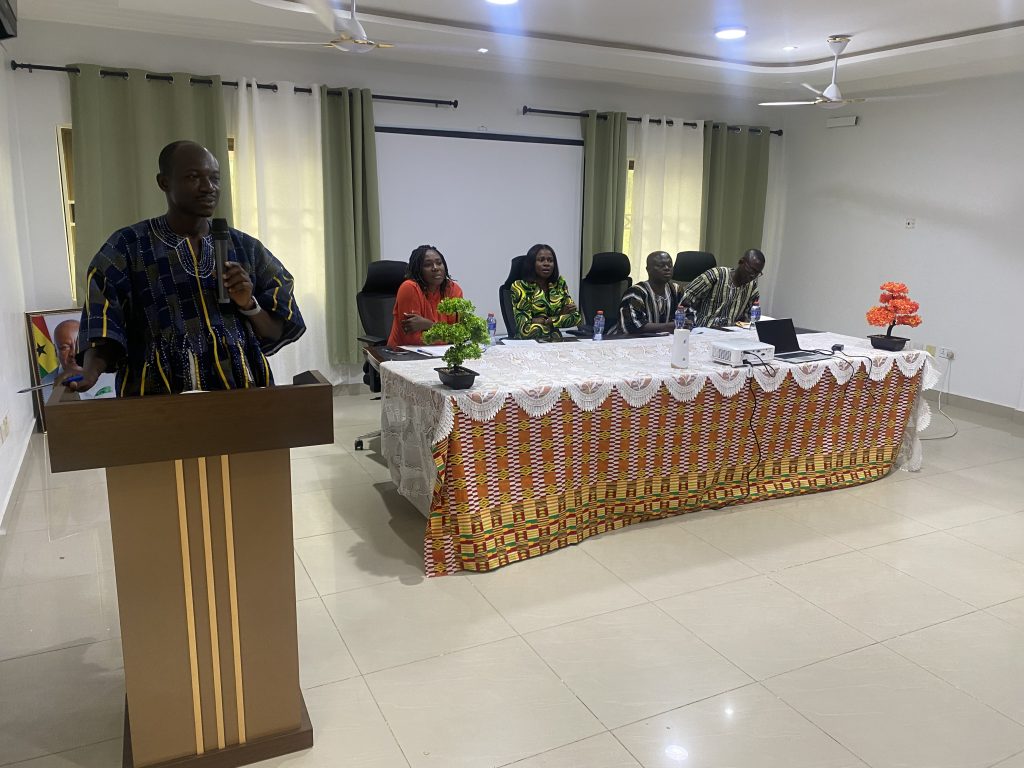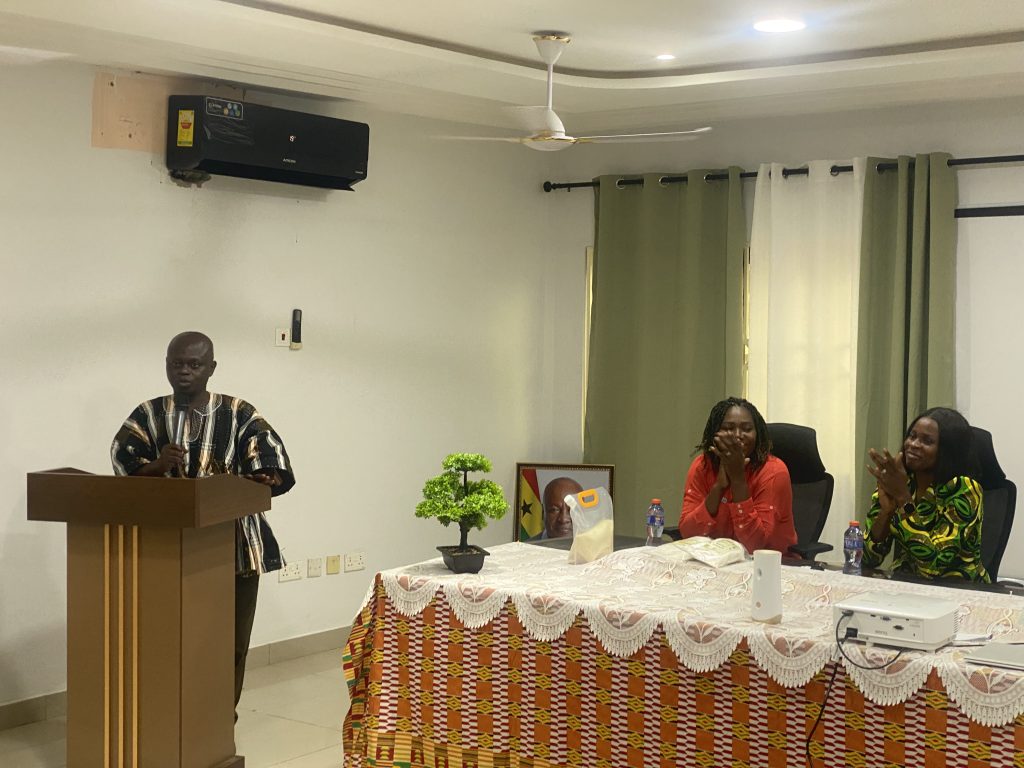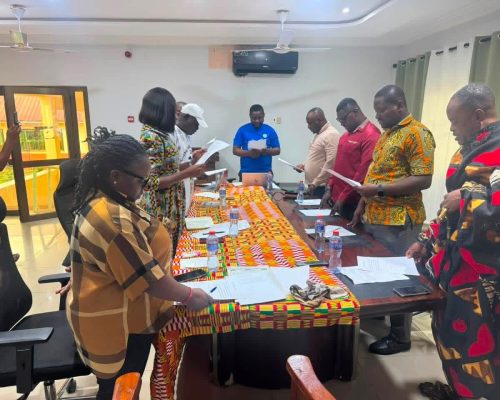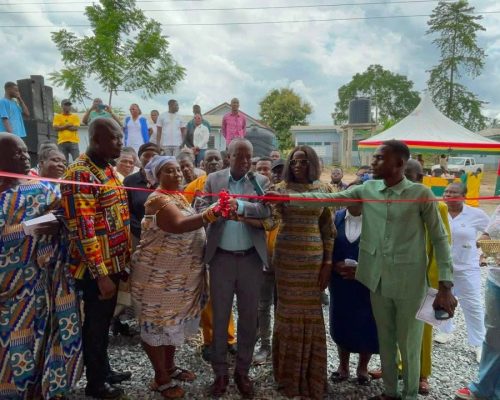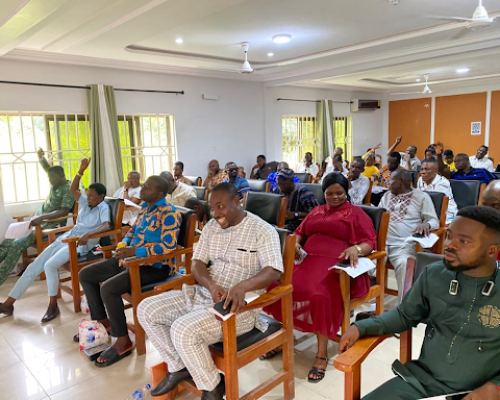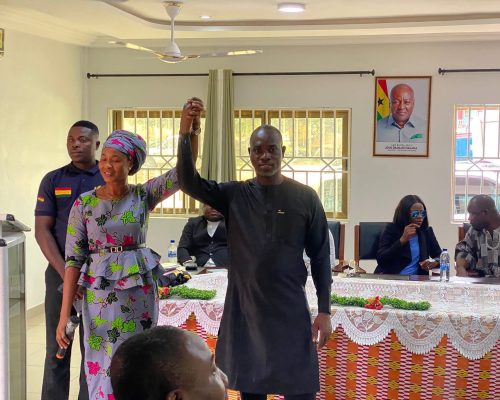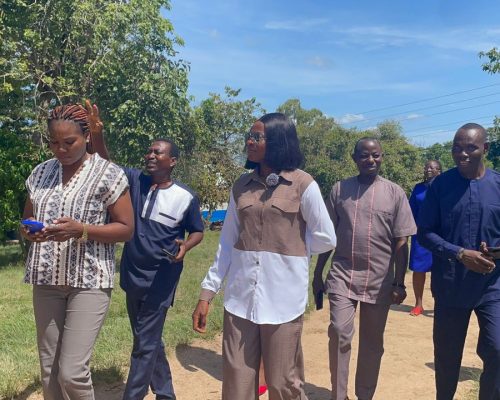
On Wednesday, 22nd July 2026, the Upper West Akim District Assembly hosted the Chief Director of the Eastern Regional Coordinating Council (ERCC) as part of a familiarization tour across the Eastern Region. The visit was aimed at introducing the Chief Director to the staff and management of the Assembly, fostering stronger collaboration, and discussing key issues affecting service delivery and local governance.
The programme was attended by the Chief Director and his entourage, the District Chief Executive (DCE), the District Coordinating Director (DCD), Heads of Departments, Unit Heads, and staff of the Assembly.
The programme commenced at 3:00 p.m. with an exchange of pleasantries among the Chief Director, the District Chief Executive, the District Coordinating Director, and members of staff.
The District Coordinating Director then formally introduced the District Chief Executive to the gathering. Subsequently, a member of the Eastern Regional Coordinating Council introduced the Chief Director and members of the Regional Management Team.
The District Coordinating Director delivered the statement of purpose, explaining that the visit formed part of the Chief Director’s familiarization tour of Metropolitan, Municipal, and District Assemblies within the Eastern Region. The visit was intended to strengthen working relationships, assess the operations of the Assembly, identify challenges, and encourage improved service delivery.
The District Chief Executive welcomed the Chief Director and the Regional Management Team to the district. In her remarks, she expressed appreciation for the visit and reaffirmed the Assembly’s commitment to collaborating with the Regional Coordinating Council to achieve the government’s decentralization and development objectives.
Keynote Address
The Chief Director delivered the keynote address, emphasizing the importance of professionalism, integrity, teamwork, and accountability in the public service. He encouraged staff to remain dedicated to their responsibilities, adhere to the Public Service Code of Conduct, and work collaboratively to improve service delivery.
He further stressed the need for:
* Effective collaboration among departments and units.
* Timely implementation of government policies and programmes.
* Improved financial discipline and prudent use of public resources.
* Continuous capacity building for staff.
* Prompt response to public concerns and efficient service delivery.
* Strengthening monitoring, reporting, and performance management systems.
The Chief Director assured staff of the Regional Coordinating Council’s commitment to providing the necessary guidance and technical support to improve the performance of the Assembly.
Open Forum
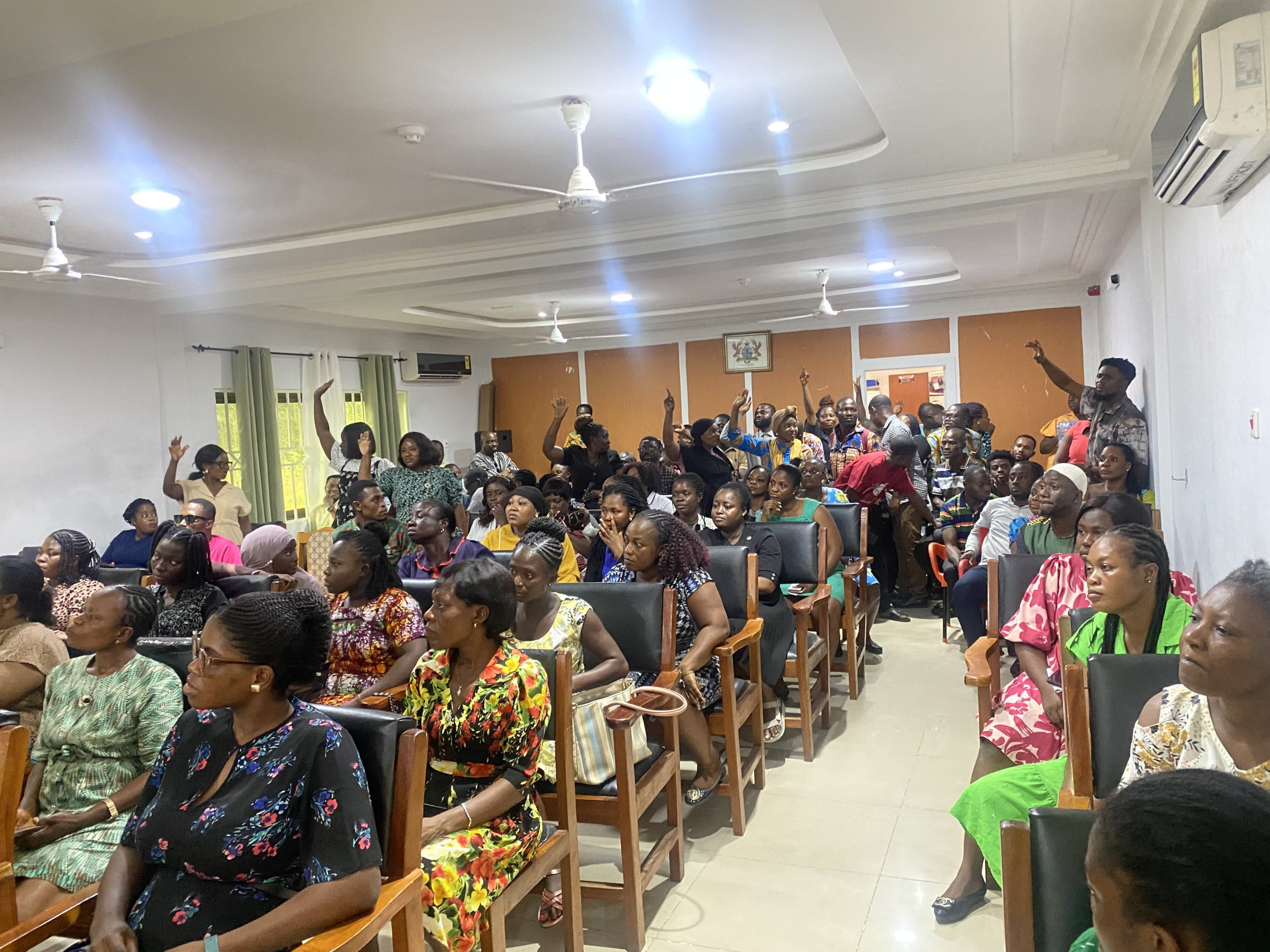
An interactive open forum followed the keynote address, providing Heads of Departments and staff the opportunity to engage directly with the Chief Director and the Regional Management Team.
Participants raised concerns and sought clarification on issues including:
* Staff welfare and motivation.
* Capacity-building opportunities.
* Resource constraints affecting departmental operations.
* Administrative and operational challenges.
* Strategies for enhancing productivity and service delivery.
The Chief Director and members of the Regional Management Team responded to the concerns, offering practical guidance and assuring participants that appropriate measures would be considered where necessary.
Conclusion
The programme concluded with a vote of thanks delivered by the Madam Anna Mensah, Assistant Director I, who expressed appreciation to the Chief Director and his team for taking the time to visit the Assembly and engage.
Recommendations
Based on discussions during the programme, the following recommendations are proposed:
1. Continue regular engagements between the Regional Coordinating Council and District Assemblies.
2. Strengthen staff capacity through periodic training and professional development programmes.
3. Improve resource allocation to facilitate efficient service delivery.
4. Promote effective communication and collaboration among departments.
5. Enhance monitoring and evaluation systems to improve organizational performance and accountability.
Overall Assessment
The familiarization tour was successful in strengthening the relationship between the Eastern Regional Coordinating Council and the Upper West Akim District Assembly. It provided a valuable platform for dialogue, knowledge sharing, and identifying practical measures to improve public service delivery and organizational effectiveness.